Hey, this is Golam. Let me tell you a small secret about me. When I read a menu, a blog post, or even a sign on the street, my eyes automatically catch the spelling mistakes. One wrong letter jumps out at me like a red flag. If you are like that too, even a little, then this guide is written for you.
Businesses, authors, students, and bloggers publish written words every single day. And almost all of them make small mistakes. A wrong spelling here. A missing comma there. They need a fresh pair of eyes to catch those mistakes before the world sees them. That fresh pair of eyes is called a proofreader, and proofreaders get paid for this simple, quiet work.
In this guide, I will show you how to start proofreading, step by step, in very simple words. You will learn what proofreading really is, what skills you need, where to find your first clients, and what mistakes to avoid. You can do this work from home, with a laptop, at your own pace. Let us begin.
What Is Proofreading, In Simple Words?
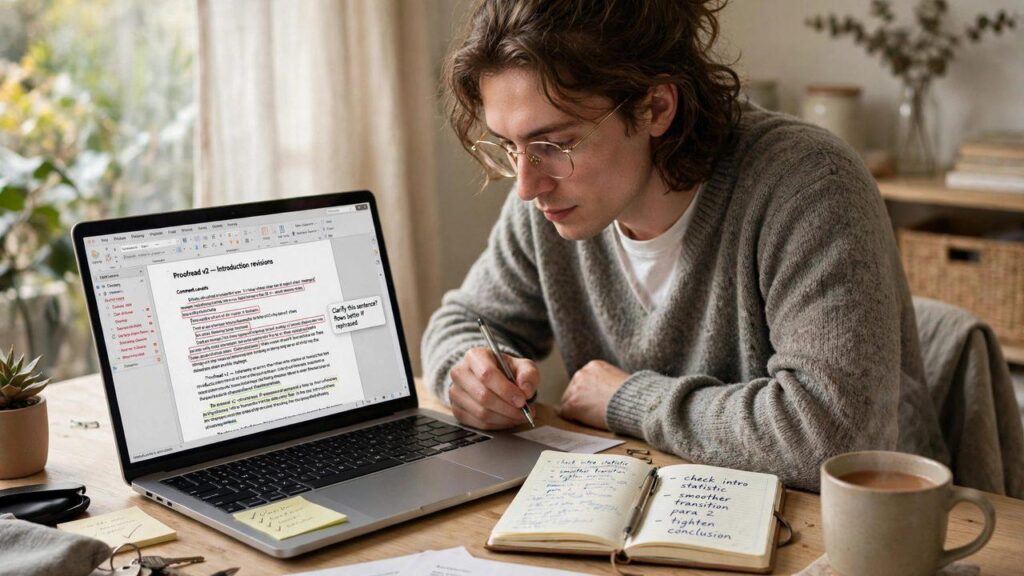
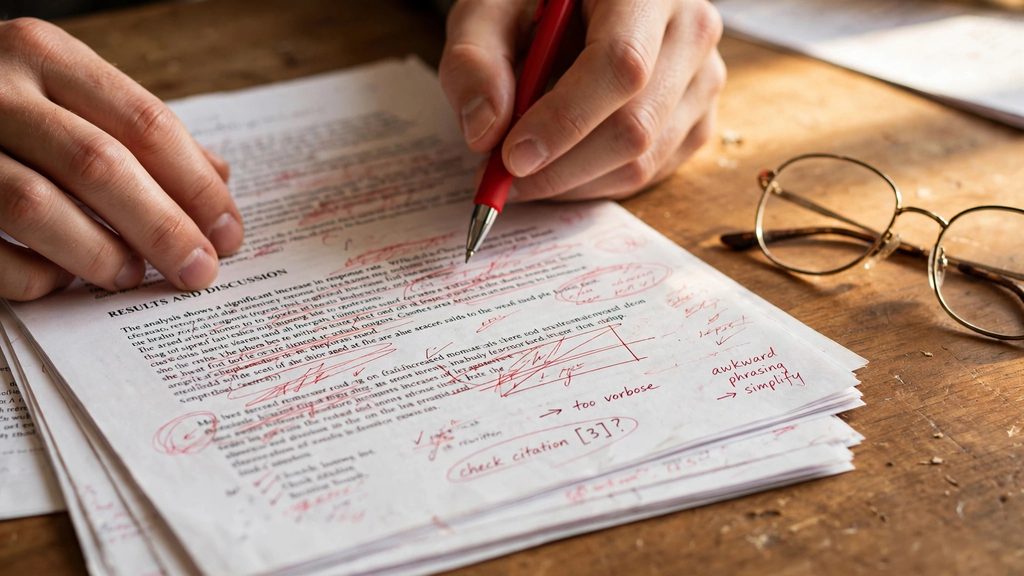
Proofreading means reading a finished piece of writing slowly and carefully to find and fix small mistakes. These mistakes can be wrong spellings, grammar errors, missing punctuation, repeated words, or awkward spacing. The writing is already done. Your job is not to rewrite it. Your job is to polish it until it is clean.
Think of it like this. A writer is a cook who prepares a meal. A proofreader is the person who tastes the meal at the end, adds a pinch of salt, and makes sure there is no hair in the soup before it goes to the guest. Small job, but very important.
People often confuse proofreading with editing. Editing is bigger work. An editor may change sentences, move paragraphs, and improve the style. Proofreading is the final check, the last pair of eyes before publishing. Because it is the final step, clients take it seriously and happily pay for it.
Who needs proofreaders? Book authors, blog owners, students with essays, companies with websites and reports, online course creators, and even YouTubers who write scripts. The internet runs on words, and all those words need checking. That is why this skill stays in demand year after year.
Do You Need A Degree Or Special Skills?
Here is the honest answer. For many proofreading jobs, you do not need a university degree. What you need is a strong eye for detail and a good feeling for the English language. If you enjoyed English at school and you naturally notice mistakes when you read, you already have the main gift.
That said, a few things will make you much better and help clients trust you:
- Good spelling and grammar basics: you should know the difference between “their,” “there,” and “they’re,” and when to use commas and full stops. You can learn and refresh all of this for free online.
- Patience: proofreading is slow, careful work. You will read the same page more than once. If you rush, you will miss things.
- Focus: one hour of quiet, focused reading is the heart of this job. A calm corner and no phone notifications will be your best friends.
- Basic computer skills: you should be comfortable with Google Docs or Microsoft Word, especially the comment and suggestion features, because that is how most clients receive your work.
If you want a certificate to feel more confident, there are affordable online courses, but please hear me clearly: a certificate is optional. Your real proof is a clean sample of your work and happy first clients. Many working proofreaders started with nothing but a laptop and a sharp eye. If you are exploring beginner-friendly online careers, my guide on how to become a virtual assistant with no experience follows a similar simple path, and many people combine both skills.
Step By Step: How To Start Proofreading
Now let us walk through the full journey, from your first practice page to your first paying client.
Step 1: Test your eyes honestly. Before anything else, check if you truly enjoy this work. Find any blog post online, read it slowly, and try to catch the mistakes. There are also free proofreading practice tests on the internet. If you enjoy the hunt for errors and time passes quickly, this work fits you. If it bores you after ten minutes, that is useful information too.
Step 2: Refresh your grammar basics. Spend one or two weeks reviewing the most common English mistakes: apostrophes, commas, subject-verb agreement, and commonly confused words. Free tools can help you learn while you work. The free version of Grammarly underlines many basic errors, and the Hemingway App shows you hard-to-read sentences. These tools will not replace your eyes, but they are wonderful training partners.
Step 3: Practice on real writing. Offer to proofread for free for two or three people: a friend with a blog, a student with an essay, or a small business with a website. Do a beautiful job. These free samples become your portfolio, and these first people often become your first paying clients or give you kind reviews. Keep before-and-after examples, with permission, to show future clients what you can do.
Step 4: Choose your favorite type of client. You do not have to serve everyone. Some proofreaders love books and work with authors. Others prefer blogs, student essays, or business documents. Choosing one area helps you learn its style deeply and makes your marketing much easier. For example, if you love books, a marketplace like Reedsy connects proofreaders with authors who are publishing books.
Step 5: Set a simple beginner price. Beginners often charge per word, per page, or per project. A gentle way to start is a low but fair project price for small jobs, like a blog post or a short essay, so clients feel safe trying you. As your reviews and speed grow, raise your prices slowly. Never work for almost nothing for long. Cheap prices attract difficult clients and burn you out.
Step 6: Create profiles where clients look for help. Make a clear, friendly profile on freelance websites like Upwork and Fiverr. Use a real photo, describe exactly what you check, and show your samples. Write your profile like a conversation, not a robot. Clients hire people they feel they can trust.
Step 7: Reach out directly. Do not only wait for clients to find you. Choose ten blogs or small businesses you like, and send a short, polite message offering a free sample page of proofreading. Show them two or three real mistakes you found on their site, fixed politely. This one brave step wins many beginners their very first client.
And remember, your first goal does not need to be big. My guide on how to make your first $100 online explains why that first small milestone matters so much, and proofreading is one of the most realistic ways to reach it.
Can AI Tools Help A Proofreader?
You may be wondering if artificial intelligence will steal this job. Here is my honest view: AI is a helper, not a replacement. AI tools miss tone, context, and many small human mistakes. But a smart proofreader uses AI as a fast first assistant, then applies human judgment on top.
For example, modern AI platforms can check a document quickly and suggest improvements, which saves you time on every project. In my GPTHub AI review, I look at a dashboard that gives you many premium AI models in one place, and tools like that can help you compare suggestions and work faster. If you are curious about the bigger picture, my guide on how to make money with AI tools shows how beginners are combining AI with human skills in smart ways.
There is one more lovely connection. AI tools now help authors create whole books quickly. Every one of those books still needs a human proofreader before it goes on sale. In my RoyaltyShelf AI review, you can see how fast new authors are publishing now. More books in the world means more work for people with sharp eyes like you.

What Types Of Proofreading Jobs Can You Choose?
One nice thing about this work is the variety. You can pick the type of writing you enjoy reading most, and slowly become known for it.
- Blog posts and websites: online businesses publish articles every week, and all of them need a final check. This is the easiest place for beginners to start.
- Books and ebooks: authors, especially self-published authors, always look for affordable, careful proofreaders before launch day.
- Student essays and papers: students want their work clean and error-free. Demand rises strongly before exam and application seasons.
- Business documents: reports, presentations, emails, and product descriptions. Companies pay well because mistakes make them look careless.
- Resumes and cover letters: job seekers need their documents to be perfect. Small jobs, but quick and satisfying.
- Online course materials: course creators produce lessons, workbooks, and sales pages that all need checking.
You do not need to choose forever on day one. Try two or three types, notice which one you enjoy, and let that become your specialty over time. Specialists are easier to remember, and clients happily pay more for “the proofreader who understands books” than for a general helper.
Your First 7 Days: A Gentle Starter Plan
- Day 1: Take a free online proofreading practice test and honestly score yourself.
- Day 2: Review the most common grammar mistakes for one or two hours.
- Day 3: Proofread one full blog post for free and save your before-and-after sample.
- Day 4: Do one more free sample for a different person, ideally a different type of writing.
- Day 5: Create your profiles on Upwork and Fiverr with your samples and a friendly description.
- Day 6: Send polite sample offers to five blogs or small businesses you genuinely like.
- Day 7: Review your week, note what you learned, and plan your first prices.
Seven days. That is all it takes to go from “I wonder if I could do this” to “I am a proofreader with samples and profiles.” Small steps, taken in order, beat big plans that never start.
Common Mistakes To Avoid
- Reading too fast. Speed is the enemy of proofreading. Read slowly, and read important documents twice. Your value is in what others miss.
- Rewriting the client’s voice. Your job is to fix mistakes, not to change the writer’s style and personality. If you change everything, clients will not come back.
- Depending only on tools. Grammarly and similar tools are helpful, but they make mistakes too. Your eyes and brain are the final judge, always.
- Charging almost nothing. Very low prices make clients doubt your quality and leave you tired and unhappy. Start fair, then grow.
- Saying yes to every deadline. Rushing leads to errors, and errors destroy your reputation in this business. Promise only what you can deliver calmly.
- Working without a sample agreement. Even a simple written message that confirms the price, the deadline, and what is included will protect you and your client.
- Giving up after the first quiet week. Almost every freelancer has a slow start. Keep improving your profiles and reaching out. Quiet weeks end.
Frequently Asked Questions
How much can a beginner proofreader earn?
Earnings vary a lot. Beginners often earn a modest amount per project while they build reviews and speed. Experienced proofreaders with regular clients earn much more. Nobody can promise you a fixed income, so be careful with anyone who does. Treat your first projects as training that pays you.
Do I need perfect English to start?
You need strong, careful English, not perfect English. If you can spot common spelling and grammar mistakes and you are willing to keep learning, you can start. Your skills will grow with every document you check.
What is the difference between proofreading and editing?
Editing improves the writing itself: the sentences, the flow, and the ideas. Proofreading is the final check for small errors like spelling, punctuation, and formatting, after the writing is finished. Proofreading is simpler, which is why it is a great first step for beginners.
Where do I find my first proofreading clients?
Start with people around you: bloggers, students, and small businesses. Then create profiles on freelance platforms like Upwork and Fiverr, and consider book-focused marketplaces like Reedsy. A free sample page offered politely is the key that opens many doors.
What tools do proofreaders use?
Most use Google Docs or Microsoft Word with comments and suggestions turned on. Many also use Grammarly for a first pass and the Hemingway App to spot confusing sentences. These tools support your eyes. They never replace them.
Can I do proofreading part-time?
Yes, and most beginners do exactly that. You can proofread in the evenings or on weekends around a job or studies. As your client list grows, you can decide whether to give it more hours.
Final Words
Proofreading is one of those quiet, honest skills the internet will always need. Writers will keep writing, and their words will keep needing a careful final check. If you have a sharp eye and a patient heart, you already own the most important tools for this work.
Start this week. Refresh your grammar, practice on a few free samples, and open your first freelance profile. Do not wait until you feel fully ready. You will learn the most from real documents and real clients.
I believe simple skills, practiced consistently, build real income. Proofreading is exactly that kind of skill. It asks for no expensive equipment, no office, and no boss standing over your shoulder. It only asks for your attention, your honesty, and a little courage to begin. I am cheering for you, and I hope this guide helps you take your very first step today.